

Stop thinking about logos and start thinking about value. The most effective corporate gifts feel like personal treasures, not walking advertisements.
- Subtle branding (the “maker’s mark” effect) dramatically increases how often an item is used and cherished.
- Sourcing high-quality, sustainable, and local Canadian goods creates a powerful brand story that cheap swag can’t replicate.
Recommendation: Shift your budget from mass quantities of low-cost items to fewer, higher-quality “brand artifacts” that generate a measurable return on reputation and relationship.
As a marketing manager, you know the familiar dread. You sign off on a budget for 500 branded water bottles, only to see them languishing on desks, forgotten in cupboards, or worse, making a beeline for the landfill. The goal was brand visibility, but the result is waste and a quiet, negative impression. The common advice—”make it useful” or “add a nice logo”—barely scratches the surface of this problem. It’s a cycle of disposable marketing that costs money and erodes brand value.
This approach treats corporate gifting as a numbers game, measured in impressions. But what if the true measure of success isn’t how many people see your logo, but how many people *love* the gift? The conversation needs to shift from slapping a logo on a product to embedding your brand’s values into a genuinely desirable object. This is the “Trifecta” rule: a gift must be useful, high-quality, and thoughtfully branded. It’s the difference between creating more corporate clutter and creating a cherished brand artifact.
But how do you move from theory to practice? It requires a strategic rethinking of placement, quality, and even the story behind the gift. This guide will deconstruct the old rules of corporate swag and provide a new framework, one focused on sustainable practices, Canadian sourcing, and creating a measurable return on reputation. We’ll explore why a logo on the bottom of a mug works better, how to measure success beyond thank-you notes, and why commissioning a local artisan is one of the smartest investments you can make.
To navigate this strategic shift, this article breaks down the essential components for transforming your gifting program. We will explore the nuances of subtle branding, the undeniable ROI of quality, the power of local sourcing, and how to measure the real impact of your investment.
Summary: A Strategic Guide to Gifting That Builds Brands
- Logo Placement: Why putting your logo on the bottom of the mug increases usage by 30%?
- Why a high-quality power bank beats a novelty desk toy every time?
- Made in Canada: How sourcing local artisan goods boosts your brand’s reputation?
- The Unboxing Effect: How sustainable packaging turns a simple item into a premium experience?
- Thank You Notes vs. Referrals: How to actually measure if your gifting strategy worked?
- Sleeve vs. Chest: Why moving the logo makes employees 3x more likely to wear the shirt on weekends?
- EPEAT vs. Energy Star: Which eco-labels actually guarantee a greener product?
- Beyond the Catalogue: How to Commission Custom Corporate Gifts from Canadian Artisans?
Logo Placement: Why putting your logo on the bottom of the mug increases usage by 30%?
The biggest mistake in corporate gifting is treating an object as a billboard. A large, loud logo on the front of a mug or the chest of a jacket screams “advertisement,” instantly lowering its personal value. The recipient feels like a brand ambassador, not the owner of a quality item. The solution lies in a principle we call the “maker’s mark” effect. Think of how a master craftsman signs their work: discreetly, elegantly, on the bottom or in a corner. This placement transforms the logo from a promotion into a mark of quality and authenticity.
When you place your logo on the bottom of a mug, the inside of a bag, or as a small, tone-on-tone emblem, you shift the user’s perception. The item becomes theirs first, and a product of your brand second. This subtlety is crucial for integration into daily life. Research consistently shows that meaningful gifts with subtle branding are kept and used, not discarded. For instance, Canadian e-commerce leader GiftAFeeling, which works with 87 of the top 100 Canadian companies, found that this approach ensures better ROI and brand recall. It feels personal, which is foundational to building a connection, as research shows 68% of recipients report that a memorable gift strengthens their relationship with the sender.
Adopting this strategy is straightforward:
- Leverage Quality Association: Start with premium base products from recognized brands. Your subtle logo benefits from their established reputation.
- Apply the “Maker’s Mark”: Use bottom placement on drinkware, or a small chest logo on apparel. The goal is discovery, not announcement.
- Choose Subtle Methods: Opt for debossing, laser engraving, or tone-on-tone embroidery instead of bright, contrasting logos. These methods integrate with the material, feeling more premium.
- Test and Measure: Track usage rates and brand sentiment through informal feedback or employee surveys to see the impact of subtle placement firsthand.
By treating your brand as a seal of quality rather than a headline, you create a “brand artifact” that people are proud to own and use. The brand impression becomes deeper and more meaningful because it’s associated with daily use and genuine appreciation.
Why a high-quality power bank beats a novelty desk toy every time?
In the world of corporate gifting, the temptation of the novelty item—the quirky desk toy, the fidget spinner, the cheap gadget—is strong. They are inexpensive and seem fun. However, their journey from your budget to the recipient’s landfill is often brutally short. The core issue is a confusion between novelty and value. A gift’s true worth is measured not by its initial “fun factor,” but by its utility and longevity. A high-quality, genuinely useful item delivers brand impressions every single day for years, while a novelty item delivers a fleeting smile before being forgotten.
The return on investment between these two approaches is stark. A high-quality power bank, a durable travel mug, or a well-made tote bag becomes an indispensable part of someone’s routine. It solves a real problem. Every time it’s used, it creates a positive, subconscious brand association. Conversely, a flimsy novelty item that breaks or proves useless actively harms your brand. It sends a message that your company values cheapness over quality. As the marketing team at Flywheel Brands notes, this can have a lasting negative effect.
When a promotional item breaks or wears out quickly, it leaves a negative impression. Even if it means ordering fewer items, choosing higher-quality products can significantly improve the effectiveness of your campaign.
– Flywheel Brands Marketing Team, Top 10 Promo Product Mistakes and How to Avoid Them
The numbers make the case undeniable. A practical gift is not just a nice gesture; it is a superior marketing asset with a significantly lower cost per impression over its lifespan.
This comparative analysis of gift ROI highlights the vast difference in long-term value between a practical, high-quality item and a disposable novelty gift.
| Factor | High-Quality Power Bank | Novelty Desk Toy |
|---|---|---|
| Average Usage Duration | 2-3 years daily | 2-3 weeks occasional |
| Brand Impressions | 730-1,095 per year | 10-20 total |
| Perceived Value | $40-60 | $5-10 |
| Retention Rate | 95% | 20% |
| Environmental Impact | Reusable, reduces disposable battery waste | Often landfill-bound plastic |
The decision is clear. Investing in fewer, better items isn’t just an ethical choice; it’s a strategic one. It demonstrates respect for the recipient and for your own brand, ensuring your investment builds relationships rather than fills dumpsters.
Made in Canada: How sourcing local artisan goods boosts your brand’s reputation?
In a globalized market, sourcing gifts locally from Canadian artisans is a powerful statement. It moves your gifting strategy from a simple transaction to a narrative about community, quality, and national pride. Choosing a “Made in Canada” gift tells a story that a mass-produced item from an overseas catalogue never can. It says your brand is invested in the local economy, supports craftsmanship, and values uniqueness over uniformity. This narrative deeply resonates with clients, employees, and partners, generating a significant reputational ROI.
The value of a locally sourced gift extends far beyond the object itself. It carries the story of its creator, the character of its region, and a tangible sense of quality. Imagine gifting a hand-stitched leather notebook from a Quebec artisan, a set of hand-blown glasses from an Ontario studio, or gourmet food products from the Prairies. These aren’t just gifts; they are conversation starters and memorable brand artifacts. They align your company with values of authenticity and social responsibility, which are increasingly important to consumers and employees alike.
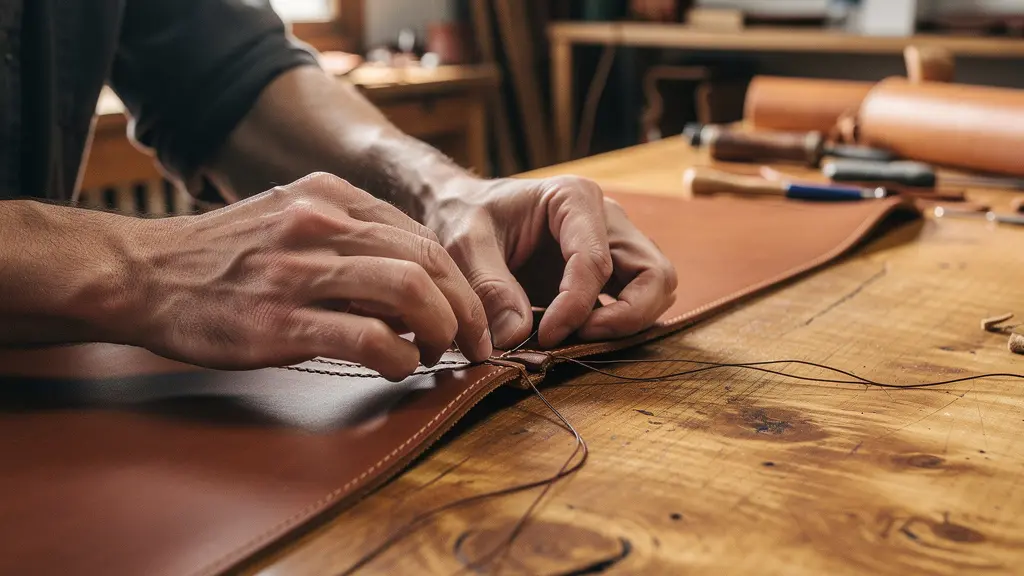
This approach has been proven effective across businesses of all sizes. By focusing on local culture and craftsmanship, companies create gifting experiences that are both unique and highly personal, strengthening brand loyalty in a way that generic gifts cannot.
Case Study: Shadow Breeze’s Destination-Themed Local Gifts
Corporate gifting company Shadow Breeze demonstrates the power of local sourcing by creating destination-themed gifts that spotlight Canadian culture. For events or clients in different regions, they curate boxes with local treats and artisan products—from mountain-themed getaways featuring goods from the Rockies to coastal retreats with items from the Maritimes. This strategy serves a wide range of clients, from Fortune 50 companies to small businesses, proving that a “local first” approach can be scaled effectively and provides a memorable touchpoint that reinforces a brand’s connection to a specific place and community.
Sourcing locally in Canada doesn’t just benefit your brand’s image; it creates a more resilient and meaningful gifting ecosystem. It reduces shipping footprints, supports small businesses, and ensures your marketing dollars are reinvested right here at home.
The Unboxing Effect: How sustainable packaging turns a simple item into a premium experience?
The experience of receiving a gift doesn’t start with the item itself; it begins the moment the recipient holds the box. This “unboxing effect” is a critical, yet often overlooked, component of a successful gifting strategy. A thoughtfully packaged gift elevates the perceived value of what’s inside, transforming a simple item into a premium experience. In an era of environmental awareness, using sustainable and high-quality packaging is no longer a bonus—it’s a reflection of your brand’s values. A cheap plastic bag undermines a quality gift, while beautiful, eco-friendly materials amplify it.
Sustainable packaging creates a multi-sensory experience. The texture of recycled kraft paper, the natural feel of cotton twine, the scent of wood shavings—these elements build anticipation and communicate care and attention to detail. It sends a clear message: your company is deliberate, thoughtful, and committed to quality from the outside in. This is especially true for a Canadian audience, which is increasingly conscious of environmental impact. Choosing recyclable, compostable, or reusable materials aligns your brand with modern values and avoids the negative impression left by excessive, non-recyclable plastic.

The goal is to create a packaging “ecosystem” that is as memorable as the gift it contains. This doesn’t have to be complicated. Simple, elegant choices can have a huge impact, making the recipient feel truly valued before they even see what’s inside. The following checklist provides a practical roadmap to creating a premium, sustainable unboxing experience.
Action Plan: Designing a Premium Unboxing Experience
- Invest in quality boxes with finishes like embossing or foil stamping instead of plain, unadorned packaging.
- Incorporate tissue paper in your brand’s colours to add a sensory layer and a pop of visual identity.
- Use custom labels, stickers, or seals made from recycled paper to secure the wrapping with a branded touch.
- Consider reusable packaging that becomes part of the gift itself, such as wooden boxes, fabric wraps (Furoshiki-style), or durable canvas totes.
- Add a personal touch with a handwritten note on high-quality, recycled card stock to complete the premium feel.
By investing in the unboxing experience, you ensure the first impression is one of quality, care, and responsibility. It’s the final piece of the puzzle that turns a corporate gift into a true brand artifact.
Thank You Notes vs. Referrals: How to actually measure if your gifting strategy worked?
For too long, the success of a corporate gifting campaign has been measured by soft, anecdotal metrics like thank-you notes. While appreciated, a nice email doesn’t provide the data a marketing manager needs to justify a budget or prove ROI. A modern, strategic approach to gifting requires a shift towards hard, trackable metrics that connect the gift to tangible business outcomes. The goal is to measure the gift’s impact on client retention, employee engagement, brand awareness, and even new business generation.
Measuring “reputational ROI” involves setting clear KPIs before the campaign even begins. For client gifts, this could mean tracking repeat purchases or the lifetime value (LTV) of gifted clients versus a control group. For employee gifts, pre- and post-gifting eNPS (Employee Net Promoter Score) surveys can provide concrete data on morale and loyalty. By embedding trackable elements, like unique discount codes or dedicated landing page URLs with the gift, you can directly link the act of gifting to a desired action. This transforms the gift from a simple expense into a measurable marketing tool.
Case Study: Tracking Gift ROI with Personalized Chocolate
A financial services firm seeking to increase client engagement moved away from generic branded pens. They switched to sending high-quality chocolate hampers with personalized messages that included a unique discount code for a future service. By tracking the redemption of these codes in their CRM, they saw a dramatic increase in client interaction and service uptake. A study on similar initiatives found that businesses investing in thoughtful, personalized gifts can see up to a 5x ROI in client retention, proving that a well-executed gift is a powerful driver of business growth.
A comprehensive measurement strategy looks beyond a single metric. It builds a complete picture of the campaign’s success by combining different data points, from social media engagement to referral tracking.
This table from a guide on corporate gifting best practices outlines a multi-faceted approach to measurement, allowing you to tie your gifting efforts to concrete business objectives.
| Metric Type | Measurement Method | Target KPI |
|---|---|---|
| Client Gifts | Unique discount codes, LTV tracking in CRM | 20% increase in repeat purchases |
| Employee Gifts | eNPS surveys pre/post gifting | 15-point eNPS improvement |
| Brand Awareness | Social media hashtag monitoring | 500+ organic mentions |
| Direct Feedback | Thank you note tracking | 30% response rate |
| Referral Generation | New client source tracking | 10% of new clients from referrals |
By adopting a data-driven mindset, you can finally answer the question, “Did it work?” with confidence and prove that thoughtful gifting is one of the most effective investments in your marketing arsenal.
Sleeve vs. Chest: Why moving the logo makes employees 3x more likely to wear the shirt on weekends?
Company-branded apparel is the classic corporate gift, but it often fails for one simple reason: no one wants to feel like a walking billboard on their own time. A large logo plastered on the chest of a shirt or hoodie relegates it to “work only” or “for painting the house” status. The key to creating apparel people actually *want* to wear is to apply the “maker’s mark” principle. By moving the logo to a more subtle and stylish location, like the sleeve, the hem, or the back below the collar, you transform the item from corporate uniform to a fashionable piece of clothing.
This small change has a massive psychological impact. A discreet logo feels more like an emblem of belonging to an exclusive club rather than a piece of mandatory advertising. It’s the difference between a promotional item and a designer piece. Employees and clients are far more likely to integrate a tastefully branded shirt or jacket into their weekend wardrobe if it doesn’t scream “I work for [Company Name].” As the design team at Kick Ass Swag succinctly puts it, the modern approach is about subtlety and style.
Small hits. Tone-on-tone. Inside labels. Embroidery over prints. Less logo, more vibe.
– Kick Ass Swag Design Team, Promotional Products That Actually Work
The most successful companies take this a step further by co-branding with premium apparel brands. Placing a small, elegant company logo alongside the iconic mark of a brand like Nike, Lululemon, or a sustainable Canadian brand like Tentree instantly elevates its perceived value and desirability.
Case Study: Jane Street’s Success with Co-Branded Apparel
The tech firm Jane Street wanted to create company merchandise that employees would be proud to wear. Instead of using generic apparel, they partnered with premium brands like CUTS and Organic Cotton. They chose high-quality, vintage-feel pigment-dyed caps and placed their logo as a subtle, gray-on-white emblem. The result was a product that felt more like high-end streetwear than corporate swag. This approach, which gifting experts at Imprint Engine call “a total league upgrade,” ensures the apparel is worn frequently and enthusiastically outside of work, generating countless authentic brand impressions.
Ultimately, the goal is to create apparel that complements the wearer’s personal style. When you prioritize fashion and quality over loud branding, you’re not just giving a gift; you’re giving an item that will be worn, loved, and seen for years to come.
EPEAT vs. Energy Star: Which eco-labels actually guarantee a greener product?
In today’s market, “eco-friendly” is a common buzzword, but it’s often used without substance—a practice known as greenwashing. For a marketing manager in Canada committed to a truly sustainable gifting strategy, it’s crucial to look beyond vague claims and understand the certifications that actually guarantee environmental and social responsibility. Labels like EPEAT and Energy Star are a good start for electronics, but a comprehensive approach requires verifying a wider range of credentials across different product categories.
Choosing a genuinely sustainable gift means doing your due diligence. It involves asking suppliers for proof of their claims and looking for trusted, third-party certifications. For example, when gifting items made from paper or wood, the FSC (Forest Stewardship Council) certification is the gold standard, ensuring the materials come from responsibly managed forests. For textiles, look for GOTS (Global Organic Textile Standard) or Oeko-Tex. Furthermore, becoming a Certified B Corporation is a rigorous process that holds a company accountable to high standards of social and environmental performance, transparency, and accountability. Partnering with a B Corp-certified Canadian supplier is one of the strongest signals you can send about your brand’s commitment to sustainability.
A truly sustainable brand artifact is one that considers its entire lifecycle. This includes not just the materials it’s made from, but also the carbon footprint of its shipping and what happens to it at the end of its life. Look for suppliers who have carbon offset programs for shipping or offer take-back programs to recycle or properly dispose of products. This “circular” thinking is the hallmark of a genuine commitment to sustainability, not just a marketing gimmick. To navigate this complex landscape, it’s essential to have a clear verification process.
The following points, adapted from guidelines by Canadian B-Corp GROSCHE, provide a checklist for verifying a supplier’s green claims within the Canadian context:
- Ask suppliers for their FSC chain of custody numbers for any paper or wood products to verify responsible sourcing.
- For electronics, check the official database to verify EPEAT registration specifically for the Canadian market.
- Inquire if the supplier partners with certified recycling programs in Canada for end-of-life product management.
- Request documentation of carbon offset programs they use to mitigate the environmental impact of shipping.
- Confirm a supplier’s B Corp certification status through the official B Lab global directory.
- Prioritize suppliers who offer product take-back programs, demonstrating accountability for the entire product lifecycle.
By arming yourself with this knowledge, you can cut through the greenwashing and make informed choices that align with your brand’s values, ensuring your “eco-friendly” gifts are genuinely making a positive impact.
Key takeaways
- Effective corporate gifting prioritizes perceived value and long-term use over low initial cost.
- Subtle, “maker’s mark” branding turns a promotional item into a cherished personal object.
- Sourcing locally from Canadian artisans and using sustainable packaging tells a powerful brand story.
Beyond the Catalogue: How to Commission Custom Corporate Gifts from Canadian Artisans?
The final frontier of exceptional corporate gifting is moving beyond the standard catalogue entirely. Commissioning custom gifts directly from Canadian artisans is the ultimate expression of a thoughtful, value-driven brand. This approach allows you to create something truly unique—a “brand artifact” that is not only a one-of-a-kind object but is also deeply imbued with a story of craftsmanship, community, and collaboration. It is the most powerful way to make a lasting impression on your most valued clients and employees.
The process of commissioning a custom gift is a creative partnership. It begins with a concept that reflects your brand’s ethos and the occasion. You might work with a leatherworker in Alberta to design a custom portfolio, a ceramist in British Columbia to create a unique set of mugs, or a woodworker in Ontario to craft bespoke desk accessories from reclaimed local maple. This collaborative journey becomes part of the gift’s narrative, a story you can share with the recipient to deepen its meaning and impact.

While the per-item cost is higher than a catalogue product, the return on investment is exponentially greater when measured correctly. A custom artisan gift generates unparalleled social media buzz, has a near-perfect retention rate, and creates a deep emotional connection to your brand. The perceived value skyrockets because the gift is seen not as “swag,” but as a piece of functional art.
This budget analysis on custom vs. catalogue items reframes the conversation from cost to value, demonstrating that the long-term impact of a custom artisan gift makes it a far more efficient investment.
| Factor | $20 Catalogue Item | $60 Custom Artisan Item |
|---|---|---|
| Per-Item Cost | $20 | $60 |
| Perceived Value | $15-20 | $100-150 |
| Social Media Shares | 5% | 45% |
| Retention Rate | 6 months | 5+ years |
| Cost Per Lasting Impression | $4.00 | $0.40 |
| Brand Story Potential | Low | High |
Stepping away from the catalogue is a bold move, but it is the definitive way to show that your brand stands for quality, creativity, and meaningful connection. It’s an investment in a relationship that will be remembered and valued for years to come.
By embracing these principles of subtlety, quality, and storytelling, you can transform your corporate gifting from a line item expense into a powerful engine for building brand reputation and fostering lasting relationships. The next step is to apply this framework to your own strategy and begin creating gifts that people will truly value.