
The landscape of leisure and entertainment technology has evolved far beyond simple devices for passive consumption. Today’s gadgets serve dual purposes: enhancing our downtime while simultaneously supporting the demands of hybrid work environments. Whether you’re selecting corporate gifts that demonstrate genuine thoughtfulness or building a personal technology ecosystem, understanding how these devices interconnect and serve multiple functions has become essential for making informed choices.
For Canadian professionals navigating remote work realities and seeking quality entertainment experiences, the right gadgets can transform both productivity and leisure time. From audio technology that creates focus in noisy home offices to smart lighting that protects long-term health, these tools represent investments in well-being rather than mere conveniences. This comprehensive exploration examines five key categories that define modern entertainment technology, helping you understand what truly matters before making purchase decisions.
Audio technology represents perhaps the most versatile category in entertainment gadgets, seamlessly bridging professional and personal use. The devices that deliver your favorite music during commutes are the same ones creating acoustic barriers against household distractions during video conferences.
Understanding active noise-cancellation (ANC) helps demystify why premium headphones command higher prices. Unlike passive isolation that simply blocks sound through physical barriers, ANC uses microphones to detect ambient noise and generates inverse sound waves that cancel unwanted frequencies. This technology proves particularly valuable in open-concept Canadian homes where family activities and work schedules overlap.
The effectiveness varies significantly between implementations. Entry-level ANC handles consistent, low-frequency sounds like HVAC systems effectively, while premium models tackle irregular noises such as conversation or traffic. For professionals spending several hours daily in virtual meetings, comfort engineering becomes equally critical—headband pressure distribution, ear cup materials, and weight balance determine whether a device remains tolerable during extended wear or causes fatigue within an hour.
Battery specifications reveal more than runtime between charges. Devices offering quick-charge capabilities—delivering several hours of use from a 10-minute charge—provide practical insurance against forgotten charging routines. For frequent travelers crossing Canadian time zones, this feature transforms from luxury to necessity.
The health implications of prolonged headphone use deserve attention beyond marketing discussions. Volume levels, wearing duration, and ear cup pressure all contribute to potential hearing fatigue or discomfort. Devices incorporating volume limiting features and reminders for listening breaks demonstrate manufacturer commitment to long-term user wellness rather than just immediate performance metrics.
Lighting has emerged from the shadows of entertainment technology discussions, now recognized as fundamental to both health and professional presentation. The lights illuminating your video calls serve purposes far beyond simple visibility.
Your body’s circadian rhythm responds powerfully to light temperature and intensity throughout the day. Smart lighting systems that automatically adjust color temperature—cooler, blue-enriched light during morning hours transitioning to warmer tones in evening—help maintain natural sleep-wake cycles that remote work schedules often disrupt. This becomes particularly relevant during Canadian winters when natural daylight hours shrink dramatically.
Eye strain from screen work compounds when lighting creates glare or forces your eyes to constantly adjust between bright displays and dim surroundings. Properly configured ambient lighting that complements rather than competes with screen brightness can reduce the headaches and fatigue many attribute solely to screen time. Look for lighting solutions offering:
The camera captures only what light reveals. Ring lights and panel arrays designed for video conferencing solve the unflattering overhead lighting common in residential spaces, which casts shadows that obscure facial expressions—the primary communication tool in virtual meetings. Strategic lighting placement creates the subtle modeling that conveys professionalism and engagement, transforming how colleagues and clients perceive your presence.
Space-saving designs address the reality that most people lack dedicated home offices. Clip-on lights, foldable panels, and multi-function devices that combine charging stations with illumination acknowledge that equipment must integrate into living spaces rather than dominate them.
The era of standalone devices has given way to interconnected ecosystems where your choice in one category constrains or enhances options in others. Understanding these relationships before purchasing prevents expensive incompatibilities and unlocks features that justify premium pricing.
Cloud gaming services have transformed entertainment possibilities by eliminating hardware barriers. Canadian gamers can access console-quality experiences through tablets or modest computers, provided their internet infrastructure supports the demand. However, the mathematics of subscription value requires honest assessment of actual usage patterns versus the appeal of unlimited access.
The hidden consideration involves data consumption. Streaming high-quality content—whether games, video, or music—can challenge the data caps still common in Canadian internet plans outside major urban centers. A family simultaneously streaming 4K video, gaming via cloud services, and conducting video calls can easily consume several hundred gigabytes weekly. Calculate realistic usage against your plan’s limits before committing to streaming-heavy ecosystems.
Cross-platform compatibility determines whether your purchased content, saved games, and playlists move with you across devices or remain locked within specific hardware. Ecosystems offering genuine device flexibility—accessing the same content on your TV, tablet, and smartphone without repurchasing—provide better long-term value despite potentially higher upfront costs.
The advertised price represents only the entry point. Entertainment ecosystems generate ongoing costs through several channels:
The ownership versus access model presents philosophical and financial trade-offs. Subscription access to vast content libraries offers variety and discovery, but you build no permanent collection. Purchasing individual titles costs more initially but provides certainty that content remains available regardless of licensing changes or service discontinuation. Your choice should reflect actual consumption patterns—collectors and enthusiasts who revisit favorites benefit from ownership, while variety-seekers find better value in subscriptions.
Modern televisions function as computing devices that happen to include displays rather than simple screens. This evolution brings capabilities and complications worth understanding before selecting a centerpiece for your entertainment setup.
Smart TV integration with home automation systems enables sophisticated scenarios: lights dimming automatically when you start a movie, temperature adjusting for comfort during extended viewing, or displays showing security camera feeds when someone approaches your door. Canadian smart home enthusiasts can create cohesive experiences where entertainment devices participate in broader home management rather than existing as isolated appliances.
Privacy considerations deserve attention as these connected devices continuously collect viewing habits, voice commands, and usage patterns. Understanding what data your TV collects, who accesses it, and how to limit sharing empowers informed consent rather than passive acceptance. Most manufacturers bury these controls in settings menus, but locating and configuring them protects your household’s information.
The longevity of built-in applications presents a practical concern. Smart TV manufacturers eventually stop updating apps for older models, leaving once-functional streaming capabilities obsolete while the display itself remains perfectly viable. This planned obsolescence can be mitigated by using external streaming devices that receive longer software support and cost far less to replace than entire televisions. Consider the TV’s panel technology and image quality as primary selection criteria, treating smart features as temporary bonuses rather than permanent value.
Sound quality in modern thin displays rarely matches their visual performance. The physics of speaker design requires volume and space that conflicts with sleek aesthetics. Most serious entertainment setups benefit from dedicated audio solutions—soundbars, wireless speakers, or traditional receiver-based systems—that deliver audio experiences worthy of high-quality video content.
Entertainment technology need not end at your doorstep. Innovations in power efficiency and rugged design enable leisure experiences in remote Canadian landscapes where traditional infrastructure doesn’t reach.
Solar charging systems have evolved beyond the underpowered novelties of the past. Current panels can maintain smartphone, tablet, and even laptop power during multi-day backcountry trips, provided you understand realistic expectations about charging speeds and weather dependency. Pairing solar panels with high-capacity battery banks creates resilient power systems for extended outdoor adventures.
The voltage question—12V DC versus standard 110V AC—determines equipment compatibility. Many recreational vehicles and marine applications use 12V systems that efficiently run from batteries without requiring power inverters that waste energy in conversion. Purpose-built 12V entertainment devices and appliances eliminate these losses, though they cost more and offer less variety than standard consumer electronics.
E-Ink displays for outdoor reading demonstrate technology adapting to environmental challenges rather than fighting them. Unlike backlit screens that become unreadable in direct sunlight while draining batteries, E-Ink technology uses ambient light for visibility and consumes power only when changing displayed content. For readers and casual information access during camping or beach outings, these devices outlast traditional tablets by days or weeks rather than hours.
Alternative power sources including hand-crank generators and kinetic chargers provide emergency backup when solar charging proves insufficient. While they won’t charge a laptop, these solutions can maintain communication devices during extended periods without sun—a genuine safety consideration for wilderness activities. Even passive solutions like properly insulated containers can extend device battery life by protecting electronics from temperature extremes that accelerate power consumption.
Selecting leisure and entertainment gadgets requires balancing immediate appeal against long-term utility, especially when these devices serve as corporate gifts representing your organization’s values. The most successful choices demonstrate thoughtfulness about recipient needs, acknowledge the multi-purpose nature of modern technology, and prioritize lasting value over temporary trends. Whether enhancing remote work environments or enabling off-grid adventures, today’s entertainment gadgets offer remarkable capabilities to those who understand what questions to ask before purchasing.

Most off-grid power problems aren’t about a lack of sun; they’re about wasting the energy you’ve already stored through hidden inefficiencies. Running standard home electronics through an inverter can waste over half of your precious battery power on the conversion…
Lire la suite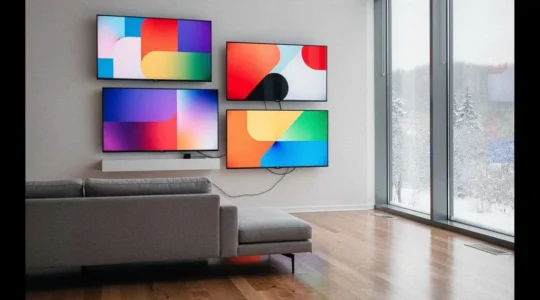
The simplest ‘smart’ TV for a senior isn’t a smart TV at all; it’s a high-quality ‘dumb’ screen paired with a cheap, replaceable streaming stick. Integrated TV apps inevitably become slow, unsupported, and create frustrating usability debt for non-technical users….
Lire la suite
For Canadian gamers, the best cloud gaming service is determined by network resilience, not just game libraries or max resolution. GeForce NOW’s higher resolution demands more data and a stable, low-latency connection, favouring users near major server hubs. Xbox Cloud…
Lire la suite
For Canadian families, the Xbox ecosystem currently presents a lower total cost of ownership and superior family-friendly features, primarily due to the holistic value of Game Pass and a more robust digital infrastructure. The upcoming Xbox Game Pass price hike…
Lire la suite
The solution to Canada’s brutal winters and draining Zoom calls isn’t just more light, but the right light, strategically applied. High-CRI light biologically combats the « winter blues » by mimicking natural sunlight and makes you look more professional and trustworthy on…
Lire la suite
Active Noise Cancellation isn’t a gadget; it’s a strategic investment in reclaiming your cognitive real estate. Effective ANC technology selectively filters out low-frequency distractions, reducing mental fatigue far more than simple silence. The right device improves not only your focus…
Lire la suite