

Contrary to popular belief, the most effective executive gift in Canada isn’t the most expensive. It’s the one that demonstrates meticulous strategic planning, deep respect for compliance, and flawless brand alignment. This guide moves beyond the price tag to reveal the calculus required to turn a potential ethical minefield into a powerful relationship-building tool, ensuring your gesture is perceived as a masterpiece of corporate etiquette, not a bribe.
Selecting a gift for a C-level executive, particularly in the highly regulated banking or government sectors, is an exercise in high-stakes strategy. There is a fine line between a memorable, thoughtful gesture and a compliance red flag. The pressure to impress can lead to common missteps: choosing the flashiest gadget or assuming a higher price tag automatically equals greater impact. This approach is not just outdated; in the Canadian context, it’s dangerous.
The conventional wisdom of “knowing your client” or simply “spending more” fails to address the core challenge. The true art of executive gifting lies not in the object itself, but in the strategic calculus behind it. It’s about communicating respect, foresight, and an implicit understanding of the recipient’s professional world, including its stringent ethical boundaries. The goal is to deliver a message of partnership and appreciation that is so well-considered it could withstand public scrutiny.
But what if the key wasn’t the gift’s value, but the value of the thinking behind it? This guide deconstructs that strategic process. We will explore the critical compliance thresholds in Canada, analyze the subtle messages your brand sends with its choices, and reveal how to transform a standard tech item into a deeply personal and impressive gesture. By mastering this calculus, you can build relationships, open doors, and reinforce your brand’s prestige, all while operating with impeccable integrity.
This article provides a comprehensive framework for navigating the complexities of high-end corporate gifting in Canada. The following sections break down each component of the strategic calculus, from legal guardrails to marketing integration.
Summary: A Strategic Guide to Executive Tech Gifting in Canada
- What is the psychological price limit for a “safe” corporate gift in Canada?
- Why gifting last year’s tech model sends the wrong message about your brand?
- Meals vs. Physical Gifts: Which one offers better tax advantages for client retention?
- What happens when the $500 headphones you gifted break after 3 months?
- Unboxing Experience: How to make a standard iPad feel like a personalized gesture?
- Android vs. Apple: How to choose a premium tech gift that works for everyone?
- Scarcity Marketing: Creating “Limited Edition” runs for your top 50 clients?
- Account-Based Marketing (ABM): How to Use Gifting to Open Doors with C-Suite Prospects?
What is the psychological price limit for a “safe” corporate gift in Canada?
In the world of executive gifting, the most important price tag isn’t on the gift itself; it’s the invisible line that separates a thoughtful gesture from a compliance issue. For federal public officials in Canada, this line is surprisingly clear. The key is to understand the concept of a compliance threshold, which serves as a strategic anchor for your entire gifting policy. Instead of guessing, you can base your decisions on established legal and ethical guardrails.
The primary figure to commit to memory is the federal reporting requirement. According to Canadian anti-corruption regulations, gifts and hospitality may be reportable if their value exceeds CAD $200 from any one source in a 12-month period. While this applies specifically to public officials, it has become the de facto standard for a “Perception Audit” across the private sector, especially in finance. A gift valued below this amount is generally considered nominal and is far less likely to be perceived as an attempt to influence.
However, compliance is not one-size-fits-all. It is crucial to be aware of provincial nuances. For instance, Quebec has its own robust oversight through the Anti-Corruption Act, which may impose stricter interpretations. The safest approach is to operate well below the federal threshold and always apply the “Globe and Mail test”: would you be comfortable seeing the details of this gift reported on the front page of a national newspaper? If the answer is no, the gift is too risky. A safe gift is one that is of infrequent and minimal value, clearly documented with a legitimate business purpose.
Why gifting last year’s tech model sends the wrong message about your brand?
Choosing to gift a previous-generation tech device might seem like a savvy cost-saving measure, but for a C-level recipient, it sends a powerful and negative message. In the high-stakes world of executive relationships, the gift is a direct reflection of your brand’s standards. Gifting an outdated model suggests your company is behind the curve, values cost-cutting over quality, or, worse, doesn’t consider the recipient important enough to merit the best. It’s a classic case of a well-intentioned gesture backfiring due to a lack of brand alignment.
Premium brands, especially in the tech sector, build their reputation on being at the cutting edge. A company like Apple reinforces its premium positioning through every touchpoint, including strict quality standards. Gifting a product that is no longer current immediately disconnects your brand from these associations of excellence and innovation. The recipient, who is likely accustomed to best-in-class tools, will instantly recognize the discrepancy. The message received is not one of generosity, but of a calculated, second-rate effort.

This is more than just a matter of perception; it’s a matter of compliance and corporate responsibility. As legal experts on Canadian bribery laws emphasize, demonstrating diligence is key. As stated in a Lexology analysis, it is critical that “Companies must take steps to prevent corrupt practices, including establishing compliance programs and training staff.” A well-documented policy of only gifting current, relevant, and appropriate items is a tangible part of such a program. It shows a commitment to quality and ethical conduct, turning the gift into proof of your company’s high standards.
Meals vs. Physical Gifts: Which one offers better tax advantages for client retention?
When considering client retention efforts, business development managers often weigh the merits of entertaining a client with a high-end meal versus offering a physical gift. While the question of tax advantages is valid, for a C-suite audience in Canada, it’s a secondary concern. The primary filter should always be compliance and perception. The Canada Revenue Agency (CRA) has complex rules for business expenses, but the ethical rules governing client relationships are far more critical to navigate.
Generally, the CRA allows businesses to deduct 50% of legitimate meal and entertainment expenses incurred for business purposes. The rules for gifts are different and often capped at a certain amount per year. However, fixating on a minor tax deduction misses the bigger picture. A business meal is a universally understood and accepted cost of doing business. It’s an experience, shared in a professional context, and is rarely perceived as an attempt to unduly influence. Its value is consumed on the spot and it doesn’t create a lasting physical obligation.
A physical gift, especially a luxury item, carries a different weight. It is a tangible asset that the recipient takes possession of, creating a more personal sense of obligation. This is where the CAD $200 compliance threshold becomes a crucial guidepost once again. While a $300 business dinner for two might be a standard deductible expense, a $300 physical gift could cross into a reportable benefit for a public official and raise perception issues even in the private sector. The risk of a gift being misconstrued as a personal inducement is significantly higher than with a shared meal, regardless of the tax treatment.
What happens when the $500 headphones you gifted break after 3 months?
The relationship-building potential of a corporate gift doesn’t end upon delivery; it extends throughout the product’s entire lifecycle. A broken high-end gift can quickly turn a positive brand association into a frustrating ordeal for a busy executive. This scenario highlights the importance of strategic foresight—the ability to anticipate and manage post-gifting experiences. Simply handing over an expensive item without considering its long-term support is a rookie mistake that can severely damage your credibility.
Standard retail policies are often inadequate for VIP gifting. For instance, major Canadian retailers may offer a return window as short as 14 days for technology items. If the $500 headphones you gifted fail outside this period, the recipient is left to navigate a complex warranty claim, transforming your “gift” into a hassle. This reactive approach, where you do nothing, risks not only frustrating the client but also erasing any goodwill the initial gesture created. It signals that your care and attention were purely transactional.
A proactive approach demonstrates a far higher level of service and respect. Instead of leaving the recipient to fend for themselves, a thoughtfully designed gifting program includes a plan for such eventualities. This could involve a “proactive concierge” service, where your company handles the entire warranty or replacement process on the client’s behalf. The following table, based on principles of consumer rights and warranties, illustrates the stark difference in outcomes.
| Approach | Client Experience | Brand Impact | Long-term ROI |
|---|---|---|---|
| Reactive (Do Nothing) | Frustration, inconvenience | Negative association | -40% retention risk |
| Proactive Concierge | Surprise, appreciation | Premium service perception | +25% loyalty increase |
| Insurance Included | Peace of mind | Thoughtful planning | +15% referral likelihood |
Including a pre-registered extended warranty or a clear, simple process for replacement transforms the gift from a single object into an ongoing service. This level of planning shows that you value the client’s time and peace of mind, reinforcing the premium nature of your brand and turning a potential negative into a powerful positive touchpoint. As this overview of Ontario’s consumer protection shows, warranty and service are integral to a product’s value.
Unboxing Experience: How to make a standard iPad feel like a personalized gesture?
In a world where premium tech like an iPad is accessible, the product itself is no longer the sole differentiator. The true opportunity to “wow” a C-level client lies in transforming the delivery from a simple transaction into a memorable unboxing ritual. This is where you can infuse a standard, off-the-shelf product with a level of personalization and thoughtfulness that makes it feel entirely unique and bespoke to the recipient.
The strategy is to layer a series of hyper-relevant, localized, and personal touches around the core product. This elevates the gesture from “here is an iPad” to “we prepared this experience specifically for you, with a deep understanding of your world.” The focus shifts from the object’s monetary value to the immense value of the thought and effort invested. For a Canadian executive, this means leveraging local context and high-quality domestic craftsmanship.
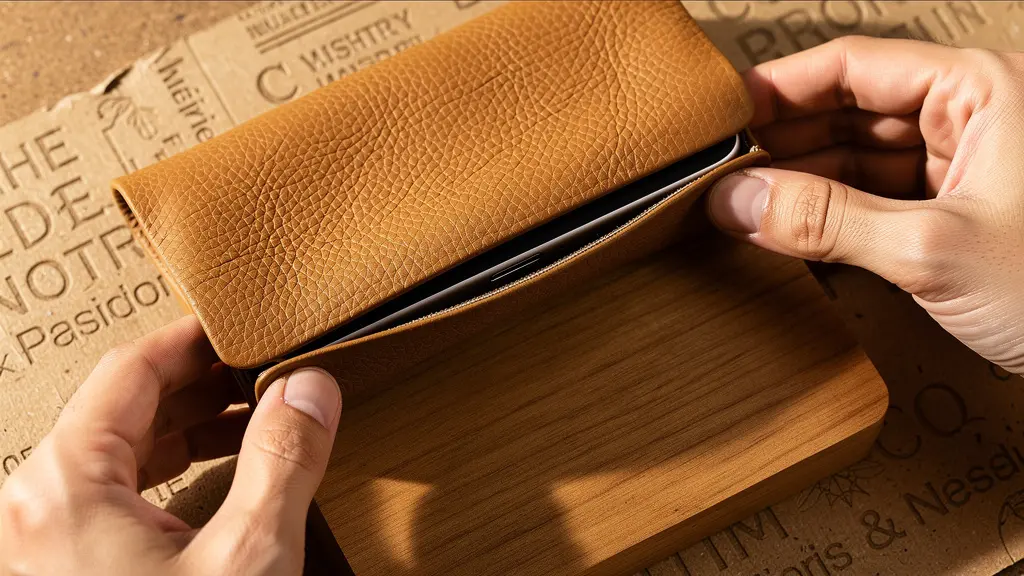
Imagine an executive in Toronto’s financial district receiving an iPad. Instead of the standard Apple box, it’s presented in a custom package with elements that resonate with their professional and local identity. A successful Canadian-focused personalization strategy would include several of these elements:
- Pre-loading the device with industry reports from the Business Development Bank of Canada (BDC) that are directly relevant to the client’s sector.
- Setting the device language to Canadian English or French, based on your knowledge of the client’s preference.
- Including a premium leather sleeve from a celebrated Canadian luxury brand like Montreal’s WANT Les Essentiels.
- Adding a handwritten note on high-quality, sustainable stationery from a Canadian supplier such as Cascades.
- Configuring the device wallpaper with a stunning, artful photograph of their city’s skyline, be it the CN Tower, Vancouver’s mountains, or Montreal’s Mont-Royal.
Android vs. Apple: How to choose a premium tech gift that works for everyone?
The perennial Apple vs. Android debate presents a significant challenge in corporate gifting. Gifting an Apple Watch to a dedicated Samsung user (or vice-versa) is not just a misstep; it’s a gesture that can feel inconsiderate, demonstrating a lack of basic research. It forces the recipient into an ecosystem they haven’t chosen, creating inconvenience rather than delight. The most sophisticated gifting strategy, therefore, embraces ecosystem agnosticism.
An ecosystem-agnostic gift is a high-end tech device that provides immediate value regardless of the user’s existing smartphone, laptop, or software preferences. The focus is on universal compatibility and standalone functionality. Instead of trying to guess their preferred “team,” you provide a tool that enhances any setup. This respects their personal technology choices and shows a higher level of consideration.
The safest and most effective categories for this approach are devices that operate independently or connect universally via standards like Bluetooth or Qi wireless charging. For example, a pair of premium noise-canceling headphones from Bose or Sony, a high-quality portable Bluetooth speaker, or a universal wireless charging stand for their desk are all excellent choices. These items add luxury and convenience to any executive’s life without forcing them to change their habits or abandon their preferred digital environment.
In some cases, offering a curated choice is the most respectful approach. Rather than a generic gift card, you can present the recipient with a choice between two or three equivalent, best-in-class options. For example: “As a token of our appreciation, we would be delighted to offer you a choice between the new Bose QuietComfort Ultra headphones or the Sony WH-1000XM5.” This maintains the element of a thoughtful, specific gift while guaranteeing it’s something they genuinely want and can use.
Scarcity Marketing: Creating “Limited Edition” runs for your top 50 clients?
For your most valued tier of VIP clients, a standard luxury gift may not be enough to truly stand out. This is where the principle of scarcity marketing can be powerfully applied to corporate gifting. By creating a truly “limited edition” item, you transform the gift from a commodity into a collectible—an exclusive symbol of their status within your company’s inner circle. This strategy is not about overt branding, but about creating an object with an inherent story and intrinsic rarity.
The key to executing this successfully in a Canadian context is to move away from mass-produced items and towards authentic, regional collaborations. Partnering with a Canadian artist, designer, or artisan to create a run of just 25 or 50 unique pieces infuses the gift with cultural relevance and a compelling narrative. The value is no longer just in the object, but in its exclusivity and the story of its creation. It becomes a piece of art that signifies a deeper partnership.
An effective limited edition strategy requires meticulous planning and storytelling. The process should be as much a part of the gift as the item itself. Consider these steps for creating a memorable, Canada-centric limited edition run:
- Partner with a regional Canadian artist—for example, a well-regarded Vancouver street artist for West Coast clients or a Montreal-based industrial designer for the Quebec market.
- Commission a numbered edition of 50 pieces maximum, each accompanied by a signed certificate of authenticity from the artist.
- Develop a beautifully designed booklet or digital presentation that documents the collaboration story: the artist’s background, their creative process, and the reason why only 50 of these items will ever exist.
- Frame the gift as a token for entry into an exclusive ‘Canadian Leaders Circle,’ hinting at future unique benefits or events for this select group.
Key Takeaways
- The Perception Audit is Paramount: In Canada, a gift’s safety is determined less by its price and more by how it would be perceived under public scrutiny, with the CAD $200 federal threshold serving as a key benchmark.
- Demonstrate Strategic Foresight: The best gifting strategies plan for the entire product lifecycle, including post-gift support and warranty, turning potential problems into opportunities to showcase premium service.
- Embrace Ecosystem Agnosticism: To avoid costly mismatches, choose high-end tech that provides standalone value or offers universal compatibility, respecting the client’s existing technology choices.
Account-Based Marketing (ABM): How to Use Gifting to Open Doors with C-Suite Prospects?
Strategic gifting is one of the most powerful and underutilized tools in an Account-Based Marketing (ABM) arsenal. When targeting high-value C-suite prospects, a well-timed, intelligent gift can cut through the digital noise and open doors that emails and cold calls cannot. The key is to see gifting not as a one-off gesture, but as a multi-stage component of the buyer’s journey, with the value and personalization of the gift escalating as the relationship deepens. Research confirms the effectiveness of this approach, showing that organizations with strong, aligned ABM strategies generate up to 208% more revenue for their marketing efforts.
In the early stages, a low-cost, high-impact item can serve as an effective icebreaker. However, for a C-suite prospect in banking or government, a generic coffee voucher is insufficient. A better approach is to send a highly relevant, thought-provoking business book related to their industry’s challenges, accompanied by a handwritten note. As the relationship progresses and you move toward a critical meeting or a stalled negotiation, a more significant, personalized luxury gift—leveraging all the principles of unboxing, personalization, and ecosystem agnosticism discussed previously—can rekindle the conversation and demonstrate a serious commitment to the partnership.

Integrating gifting into ABM requires a clear plan of action. It must be systematic, measurable, and perfectly aligned with your sales and marketing objectives. This ensures that each gesture is not only appropriate and compliant but also serves a specific strategic purpose, moving the target account closer to a deal.
Action Plan: Launching Your ABM Gifting Campaign
- Identify Key Accounts & Contacts: Define your top-tier target accounts and map the key C-level decision-makers and influencers within them.
- Map Gifting to Funnel Stages: Assign specific, compliant gift tiers to each stage of your ABM funnel (e.g., Tier 1: Business Book for initial outreach; Tier 2: Personalized tech for pre-demo; Tier 3: Limited Edition item for deal closing).
- Establish Compliance & Budget Guardrails: Set clear monetary limits per tier, ensuring all gifts fall below the CAD $200 threshold and align with both your company policy and the client’s.
- Develop Personalization Playbooks: For each target, create a brief profile outlining their public interests, tech ecosystem (if known), and professional focus to guide personalization efforts.
- Measure & Iterate: Track the impact of gifting on key ABM metrics, such as meeting booking rates, deal velocity, and closed-won revenue, and refine your strategy based on the results.
By shifting your focus from simply spending money to executing a well-defined strategic plan, your corporate gifting program can become a formidable asset. The next logical step is to audit your current approach against this framework and begin implementing a more intelligent, compliant, and effective strategy today.
Frequently Asked Questions on Executive Tech Gifting
What makes a tech gift truly ecosystem-agnostic?
Focus on standalone devices that enhance any setup: premium Bluetooth speakers, wireless chargers with the universal Qi standard, noise-canceling headphones, or smart home devices that work with multiple platforms like Google Assistant and Amazon Alexa.
How can I offer choice without using generic gift cards?
Present a curated selection of 2-3 equivalent premium options (e.g., Bose vs Sony headphones, or an Apple Watch vs a Samsung Galaxy Watch) and let the client choose their preference. This maintains the thoughtfulness of a specific gift while guaranteeing usability.
What are the safest universal tech categories?
Portable projectors, premium coffee technology (like Fellow or Breville), smart lighting systems (like Philips Hue), professional-grade webcams, and high-end portable batteries are excellent choices as they work across all ecosystems and add tangible value to a professional’s life.