
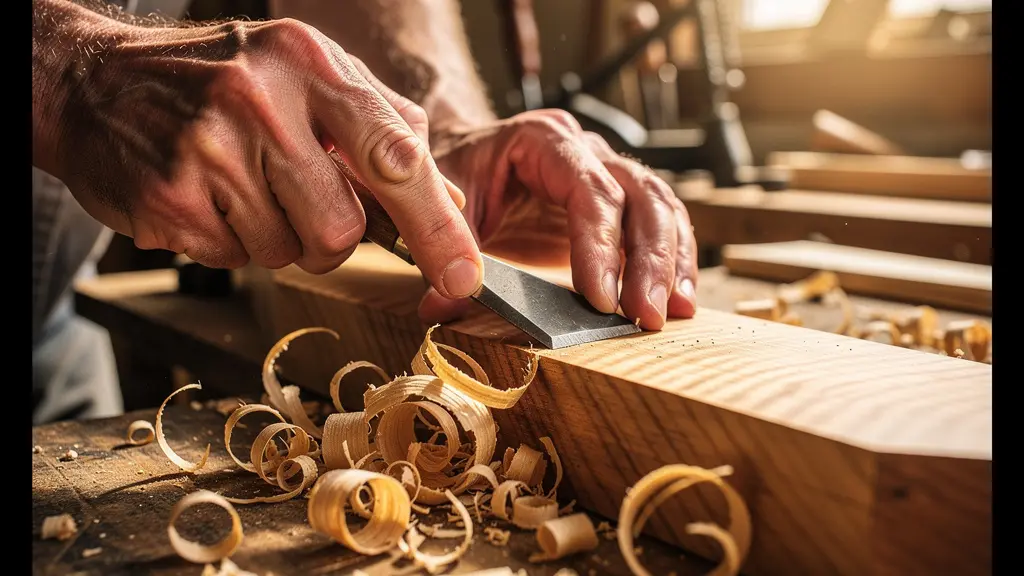
Commissioning artisan gifts is not a purchase; it’s a strategic act of co-branding with Canadian culture and craftsmanship.
- This approach transforms a corporate gift from a generic expense into a powerful narrative asset that communicates your company’s values.
- Success depends on respecting the artisan’s calendar, understanding material provenance, and mastering the art of storytelling.
Recommendation: Shift your mindset from ‘buying’ to ‘commissioning’. Start the conversation with an artisan not with a product in mind, but with a story you want to tell.
For your company’s 10th anniversary, the default option is a familiar one: browse a catalogue, pick a premium-but-predictable item, and add your logo. It’s efficient, it’s scalable, and it’s ultimately forgettable. This approach yields objects that are appreciated for a moment but rarely cherished. For a creative director tasked with finding something truly “un-Googleable,” something that resonates on a deeper level, the catalogue is a dead end. The common advice to “personalize” or “support local” often misses the most crucial element: the story.
The search for a meaningful corporate gift often circles around co-branding with established giants or selecting high-end electronics. While these have their place, they speak a language of mass-produced luxury, not of unique character or deep-seated value. But what if the true key to a memorable gift wasn’t found in a global supply chain, but in a small workshop in the Rockies, a glassblowing studio on the East Coast, or a leatherworker’s bench in rural Quebec? What if the most powerful statement your brand can make is to share the spotlight with a Canadian artisan?
This guide moves beyond the transactional nature of corporate gifting. It reframes the process as an act of curation and co-creation. We will explore how to transform a simple object into a narrative asset by partnering with the rich tradition of Canadian craftsmanship. This is not about simply buying a product; it’s about commissioning a story. This article will provide a strategic framework for planning timelines, choosing materials with provenance, telling a compelling story, and leveraging scarcity to create a gift that is not just received, but remembered.
This article provides a comprehensive roadmap for navigating the world of bespoke Canadian gifts. From the initial planning stages to the final presentation, you will discover the key strategies for creating items that are as unique and valuable as the relationships they are meant to celebrate. The following sections break down this curatorial process into actionable steps.
Summary: Beyond the Catalogue: How to Commission Custom Corporate Gifts from Canadian Artisans?
- Timeline Planning: Why you need to start talking to artisans in August for December gifts?
- Yeti or North Face: How to co-brand with giants without violating their guidelines?
- Wood, Leather, or Stone: Choosing materials that age well and carry a premium feel?
- The Insert Card: How to write a message that connects the object to your company values?
- Scarcity Marketing: Creating “Limited Edition” runs for your top 50 clients?
- Made in Canada: How sourcing local artisan goods boosts your brand’s reputation?
- Commissioning Local Art: How to choose a piece that fits a personal taste without offending?
- Retirement Gifts in the Digital Age: What to Give Someone Who Has Everything?
Timeline Planning: Why you need to start talking to artisans in August for December gifts?
The most significant shift from catalogue buying to artisan commissioning is understanding time. You are no longer operating on a factory’s schedule but on the artisan’s calendar—a rhythm dictated by creative process, material sourcing, and seasonal demands. For a December delivery, initiating contact in August isn’t just cautious; it’s essential. This four-month lead time accounts for concept development, design iterations, and the simple, un-rushable reality of hand-craftsmanship.
This extended timeline is a feature, not a bug. It allows for a genuine co-creative process where the final object is a true collaboration. As a real-world benchmark, consider Province of Canada, a company that works with clients from startups to global corporations. They require a minimum 8-week lead time for their custom Canadian-made products. This built-in buffer accommodates initial consultations, design mockups with eco-friendly printing or embroidery, and meticulous quality control phases. It’s a clear signal that meaningful creation cannot be expedited.
The artisan timeline also includes factors outside the workshop. Sourcing specific materials, like a particular cut of maple or a type of regional clay, can be subject to seasonal availability. Major events in the Canadian craft world, such as the One of a Kind Show in Toronto, can impact an artisan’s capacity. Planning this far in advance respects these professional realities and ensures your project receives the dedicated attention it deserves, preventing it from becoming a rushed order caught in the pre-holiday chaos.
Action Plan: Key Milestones for Commissioning Artisan Gifts
- August (T-4 Months): Initial artisan contact and concept discussion. Factor in scheduling around major Canadian craft shows.
- September (T-3 Months): Design approval and material sourcing. Account for seasonal realities like wood harvests and regional material availability.
- October (T-2 Months): Production begins. Build in a “Creative Iteration Buffer” for feedback and adjustments.
- November (T-1 Month): Quality control, finishing touches, and packaging preparation.
- December (Delivery): Final logistics and distribution. Account for potential winter shipping challenges, especially to remote Canadian areas.
Yeti or North Face: How to co-brand with giants without violating their guidelines?
Co-branding with an established name like The North Face or Yeti seems like a straightforward way to associate your brand with quality. However, this path is often restrictive, reducing your company’s identity to a logo placed in a pre-approved zone. These giants have strict brand guidelines for a reason: to protect their own identity, not to elevate yours. For a creative director seeking a unique statement, this approach can feel less like a partnership and more like a high-cost branding exercise with limited creative freedom.
An alternative strategy offers far more narrative potential: cultural co-branding with a Canadian artisan. Instead of just adding your logo to their product, you create a new, singular item that carries both your brand’s signature and the artisan’s mark. As the team at Province of Canada states, the goal is to create “‘not-so corporate’ products that people actually want to wear.” This philosophy is at the heart of artisan collaboration.
We’ve collaborated with some of the largest companies in the world, along with local gyms, breweries, summer camps, and startups, to make ‘not-so corporate’ products that people actually want to wear.
– Province of Canada Custom Team, Province of Canada Custom Program
This path isn’t a free-for-all; it’s a spectrum of flexibility. While Canadian heritage brands like Roots or Hudson’s Bay may offer more narrative flexibility than a global tech-wear giant, the ultimate creative freedom lies in direct collaboration with an independent maker. This allows for a “double signature” piece where the value is derived from the fusion of two stories: your company’s and the artisan’s.
This table, based on insights from corporate gifting experts, illustrates the trade-offs. As one moves from global giants to local artisans, the creative control and storytelling potential increase exponentially.
| Brand Type | Canadian Options | International Options | Co-branding Flexibility |
|---|---|---|---|
| Premium Outdoor | Arc’teryx, Canada Goose | The North Face, Patagonia | Limited to approved placement zones |
| Heritage Lifestyle | Roots, Hudson’s Bay | L.L.Bean, Filson | More flexible with heritage story angle |
| Performance Tech | Lululemon, MEC brand | Nike, Under Armour | Strict guidelines, limited options |
| Artisan Collaboration | Local craftspeople | N/A | Full creative freedom with double signature |
Wood, Leather, or Stone: Choosing materials that age well and carry a premium feel?
The perceived value of a bespoke gift is intrinsically tied to its materiality. In a world of disposable plastics and composites, choosing materials that possess character and improve with age—like wood, leather, or stone—is a powerful statement. These materials carry a sense of permanence and authenticity. The goal is not just to select a “quality” material, but to understand its material provenance: where it came from, its cultural significance, and the story it tells.
Consider the difference between a generic wooden box and one crafted from Algonquin maple, or a leather-bound journal made from Alberta hide. The material itself becomes part of the narrative. The Canadian family business SOJA&CO. exemplifies this strategy. Founded in 2018, they work exclusively with 100% natural Canadian materials, sourcing from regional suppliers to create products that tell a story. Their use of Quebec maple syrup derivatives for candle scents or West Coast essential oils demonstrates how material choice can anchor a product in Canadian heritage and reflect a commitment to environmental values.
These materials engage the senses and develop a patina over time, becoming more personal with use. A leather wallet softens and darkens, a stone coaster shows the subtle marks of time, and a wooden desk object gains a unique lustre from years of handling. This evolution transforms the gift from a static object into a living part of the recipient’s life—a tangible reminder of a moment and a relationship.
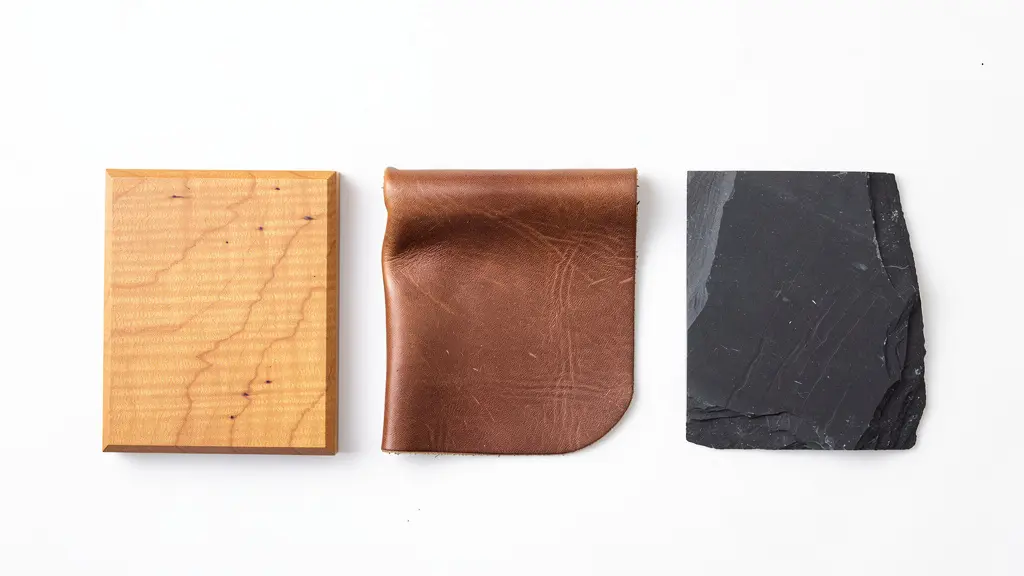
As this image shows, the natural textures of wood grain, the unique patina of leather, and the cool solidity of stone like Haida Gwaii argillite offer a tactile richness that mass-produced items cannot replicate. Choosing a material is the first step in crafting the object’s soul. It’s a decision that communicates permanence, quality, and a connection to the natural Canadian landscape.
The Insert Card: How to write a message that connects the object to your company values?
An artisan-made object is a vessel. By itself, it’s a beautiful item; paired with its story, it becomes a powerful narrative asset. The insert card is the bridge between the physical gift and its deeper meaning. A poorly executed card—one that reads like a marketing brochure—can undermine the entire effort. The secret to a compelling message is to lead with the artisan’s story, not your own. This act of humility is what builds authenticity and connects the object back to your company’s values in a genuine way.
Instead of saying, “Our company values innovation,” you can say, “We chose this piece from [Artisan’s Name], who has spent 20 years perfecting a modern technique rooted in a century-old family tradition. Her commitment to pushing boundaries while honouring the past mirrors our own journey.” This creates a parallel narrative. You aren’t just stating your values; you are demonstrating them through your choice of partner. This storytelling approach elevates the gift and gives the recipient a fascinating story to share with others.
A truly effective insert card should do more than just tell; it should invite the recipient deeper into the world of the craft. Including the artisan’s name, their community, and a brief mention of their craft tradition is fundamental. To enhance this, consider adding a QR code that links to a short video of the artisan at work in their studio. In the Canadian context, crafting a message that is thoughtfully bilingual shows a deep respect for the country’s cultural fabric. Finally, a personal touch, like a handwritten note from your CEO or the artisan, can transform the card from a piece of print to a personal correspondence.
- Lead with the artisan’s story: Include their name, craft, and community.
- Connect their values to your brand: Use parallel narratives, not direct claims.
- Add a digital layer: A QR code linking to a video of the artisan adds immense value.
- Respect cultural context: Create bilingual messages for English and French Canadian recipients.
- Add a human touch: A handwritten element from your CEO or the artisan makes it personal.
Scarcity Marketing: Creating “Limited Edition” runs for your top 50 clients?
In corporate gifting, the impulse is often to treat everyone equally. However, a tiered approach that leverages scarcity can create far more impact, especially for your most valued clients and partners. By commissioning a “Limited Edition” run, you transform a gift from a promotional item into a collectible. The value is no longer just in the object itself, but in its rarity and the exclusive status it confers upon the recipient.
Artisans Canada, which serves prestigious clients like the Château Frontenac, has mastered this approach. They specialize in limited-run Canadian artisan gift sets, effectively elevating corporate gifts to the level of investment pieces. By creating numbered collections that highlight regional know-how and artisan stories, they imbue each item with a sense of significance. An item marked “1 of 50” feels profoundly different from an item available to thousands. It communicates to the recipient that they are part of an exclusive circle.
This strategy can be scaled to fit different client tiers. A “1 of 1” artist proof, perhaps with a unique material variant and a dual signature from your CEO and the artisan, can be reserved for your single most important partner. A numbered edition of 50 can be created for top-tier clients, complete with a certificate of authenticity. For a wider group, a small, unnumbered batch from a seasonal collection still carries a sense of exclusivity compared to mass-produced items. This framework allows you to allocate your budget strategically and make your most important relationships feel truly exceptional.
The following table provides a clear model for applying scarcity strategies across different client tiers, turning a simple gift into a calculated and meaningful gesture.
| Client Tier | Edition Size | Certification | Special Features |
|---|---|---|---|
| VIP (Top 5) | 1 of 1 Artist Proof | Dual CEO-Artisan signature | Unique material or color variant |
| Premium (Top 50) | Numbered 1-50 | Certificate of authenticity | Standard limited edition |
| Select (Top 200) | Small batch production | Artisan signature card | Seasonal collection piece |
| General | Open edition | Brand story card | Quality craftsmanship |
Made in Canada: How sourcing local artisan goods boosts your brand’s reputation?
Choosing to source corporate gifts from Canadian artisans is more than a logistical decision; it’s a powerful brand statement. In an era of globalized, often anonymous supply chains, anchoring your brand in a specific community and place builds a reputation for authenticity and social responsibility. It signals that your company values craftsmanship over cost-cutting and community over convenience. This isn’t just a “feel-good” initiative; it has a tangible economic and reputational impact.
The economic argument is compelling. When you commission work from a local artisan, you are investing directly into a local economy. Recent Canadian small business data shows that 84% of purchase dollars spent at small retailers stay within the local provincial economy. This “multiplier effect” means your investment supports not just the artisan, but also their local suppliers and the community at large. Aligning your brand with this positive economic story is a powerful way to build goodwill and a positive public image.

Beyond the numbers, sourcing locally tells a human story. It connects your brand to real people—craftspeople who are masters of their trade. This human element is a potent antidote to corporate anonymity. When you give a gift made by a Canadian artisan, you are sharing a piece of their passion and dedication. This creates an emotional connection that a mass-produced item simply cannot match. It shows that your company is not just a faceless entity, but a thoughtful curator that supports and values local talent and creativity.
Ultimately, a “Made in Canada” artisan gift becomes a physical manifestation of your company’s values. It says you prioritize quality, support your community, and appreciate the human touch. In a competitive market, these are the reputational qualities that differentiate good companies from great ones.
Commissioning Local Art: How to choose a piece that fits a personal taste without offending?
Commissioning art is perhaps the ultimate bespoke gift, but it comes with a unique challenge: taste is subjective. How do you select a piece of art that feels personal and meaningful without misjudging the recipient’s aesthetic or, worse, causing unintended offense? The key is to shift the focus from a prescriptive aesthetic to a shared story and a respectful process. This is particularly critical in Canada when commissioning work from Indigenous artists, where a deep understanding of cultural protocols is paramount.
When commissioning any art, the creative brief should focus on values, themes, or stories rather than specific visual instructions. For example, instead of asking for “a blue abstract painting,” you might commission a piece that “explores the theme of resilience” or “captures the spirit of West Coast innovation.” This gives the artist creative freedom while ensuring the final work is thematically aligned with your intent. To mitigate the risk of subjective taste, forming a small, diverse selection committee within your organization can help ensure the chosen piece has broader appeal.
When working with Indigenous artists, the process requires an even deeper level of care and respect. It is essential to work exclusively through recognized Indigenous art organizations, guilds, or community-approved channels. The process must be a genuine consultation. It’s an opportunity to learn, so you should request education from the artist on the meaning of cultural symbols and their appropriate use. The goal is not to appropriate imagery but to respectfully commission a new work that reflects the artist’s authentic voice and tradition. Documenting this consultation process demonstrates a commitment to cultural protocols and builds a relationship based on mutual respect.
- Work exclusively through recognized Indigenous art organizations and guilds.
- Focus creative briefs on stories and values, not prescriptive aesthetics.
- Form a diverse internal selection committee to ensure broad appeal.
- Request education from the artist on the meaning and appropriate use of cultural symbols.
- Consider commissioning multiple smaller works to offer recipients a choice.
- Document the consultation process to demonstrate respect for cultural protocols.
Key Takeaways
- Artisan commissioning is a strategic act of ‘cultural co-branding’ that tells a story mass-produced items cannot.
- The process requires respecting the ‘artisan’s calendar’—plan 4-6 months in advance for meaningful collaboration.
- Focus on ‘material provenance’ and storytelling to transform a physical object into a lasting narrative asset for your brand.
Retirement Gifts in the Digital Age: What to Give Someone Who Has Everything?
What do you give a retiring leader who has spent a lifetime accumulating accolades and possessions? The traditional engraved plaque or watch often feels inadequate—a generic full stop at the end of a unique career. In the digital age, the most meaningful retirement gift is one that honours a legacy not as a finished story, but as a living archive. The perfect gift is a legacy commission: a bespoke artisan object that serves as a physical key to a digital world of memories.
Gifting specialists like Bestowe have pioneered this approach, collaborating with Canadian artisans to create deeply personal retirement pieces. Imagine a hand-carved box made from reclaimed wood from a region significant to the retiree’s career. This box doesn’t just hold a standard memento; it contains a small, beautifully designed card with a QR code. This code unlocks a private, curated digital space—a website or video—filled with messages, photos, and stories from colleagues throughout their career. The physical object is the anchor for a wealth of intangible, emotional value.
This approach transforms the retirement gift from a simple object into a meaningful art piece that honours decades of contribution. Including a certificate signed by both the CEO and the artisan who crafted the piece adds a final layer of significance, cementing the collaboration between the company, the craftsperson, and the retiree. It’s a profound way to recognize the immense value created by leaders, many of whom built the very small and medium-sized enterprises that are the backbone of the economy. After all, you are celebrating an individual who was part of SMEs contributing 50.8% of GDP in Canada’s goods-producing sector between 2017-2021.
Case Study: The Legacy Commission
For a retiring executive, a company commissioned a custom-bound book from a Toronto-based leatherworker. The cover was subtly embossed with a symbol representing a key company milestone. Inside, the pages were blank, save for a single page at the front containing a QR code. This code linked to a protected webpage featuring a video montage of heartfelt goodbyes from team members around the world, a gallery of project photos, and written testimonials. The book became a physical vessel for an entire career’s worth of relationships and achievements, a gift that was both a beautiful object and a priceless archive.
By moving beyond the catalogue and embracing the world of Canadian artisanship, you are not just acquiring a gift; you are commissioning a piece of your company’s story. To begin this journey, the next step is to start identifying artisans whose craft and values align with your own brand narrative.